What makes Subaru All-Wheel-Drive different?
## Understanding All-Wheel Drive: How AWD Works, Benefits, and the Subaru Difference Whether you are navigating a rainy morning commute or tackling a rugged
Understanding All-Wheel Drive: How AWD Works, Benefits, and the Subaru Difference
Whether you are navigating a rainy morning commute or tackling a rugged weekend trail, your vehicle's drivetrain plays a massive role in how you handle the road. One of the most popular options for modern drivers is All-Wheel Drive (AWD).
But what exactly is AWD, how does it keep you safe, and is it the right choice for your next vehicle? Let’s dive into everything you need to know.
What is All-Wheel Drive (AWD)?
All-Wheel Drive (AWD) is a vehicle drivetrain system designed to feed optimal power to all four wheels simultaneously or as needed. Unlike traditional two-wheel drive systems, AWD actively dictates how your wheels receive power based on real-time road conditions.
By continuously monitoring the road, AWD provides superior control, stability, and maximum traction, preventing slippage even in harsh weather or challenging terrains.
How Does an AWD System Work?
AWD systems rely on a clever combination of mechanical components and smart technology to keep you moving safely.
The Role of Differentials and Sensors
At the heart of every AWD vehicle are three key components: front, rear, and center differentials. A differential is a gearbox that allows wheels on the same axle to spin at different speeds—which is crucial when turning corners or recovering from a slip.
Modern AWD systems use advanced electronic sensors to monitor tire grip 24/7. The moment a sensor detects that a wheel is losing traction, the system instantly shifts power and torque to the wheels with the most grip. The best part? This all happens seamlessly in milliseconds without any driver intervention.
Full-Time AWD vs. Part-Time AWD
Not all AWD systems are created equal. They generally fall into two categories:
- Full-Time AWD: This system continuously delivers power and torque to all four wheels at all times. Sensors constantly fine-tune the power distribution to ensure maximum grip. (Note: Most Subaru vehicles come standard with full-time AWD).
- Part-Time AWD: Operating primarily as a front-wheel drive (FWD) or rear-wheel drive (RWD) system, part-time AWD only sends power to the second axle when the sensors detect a loss of traction. This is often used to maximize daily fuel efficiency.
Advantages and Considerations of All-Wheel Drive
Before purchasing an AWD car or SUV, it helps to weigh the pros and cons to see if it fits your lifestyle.
The Benefits of Driving an AWD Vehicle
- All-Weather Performance: Keeps you stable and in control on rain-slicked, icy, or snowy roads.
- Driver Confidence: Knowing your drivetrain is constantly working behind the scenes provides immense peace of mind.
- Impressed Versatility: AWD vehicles transition effortlessly from daily suburban commutes to light off-road adventures.
Important Factors to Consider
Cost vs. Value: Because AWD systems are mechanically complex, vehicles equipped with them can sometimes carry a higher upfront sticker price and slightly higher maintenance costs than FWD or RWD alternatives.
However, choosing a reliable brand mitigates this. For example, many Subaru models frequently win awards for longevity, resale value, and 5-year cost to own, making a vehicle equipped with Subaru Symmetrical AWD a highly secure long-term investment.
Does AWD Use More Gas?
A common question among car buyers is whether AWD vehicles are fuel hogs. The short answer is: not during normal driving.
While traditional gas-powered AWD systems inherently use slightly more fuel than FWD or RWD vehicles due to the added weight of the drivetrain, they are noticeably more fuel-efficient than heavy-duty Four-Wheel Drive (4WD) systems.
On dry surfaces and flat terrain, your daily fuel consumption will remain largely unaffected. You will generally only see a noticeable drop in fuel economy when the system has to work harder, such as:
- Driving up steep inclines
- Towing trailers or heavy payloads
- Cruising at high highway speeds under heavy loads
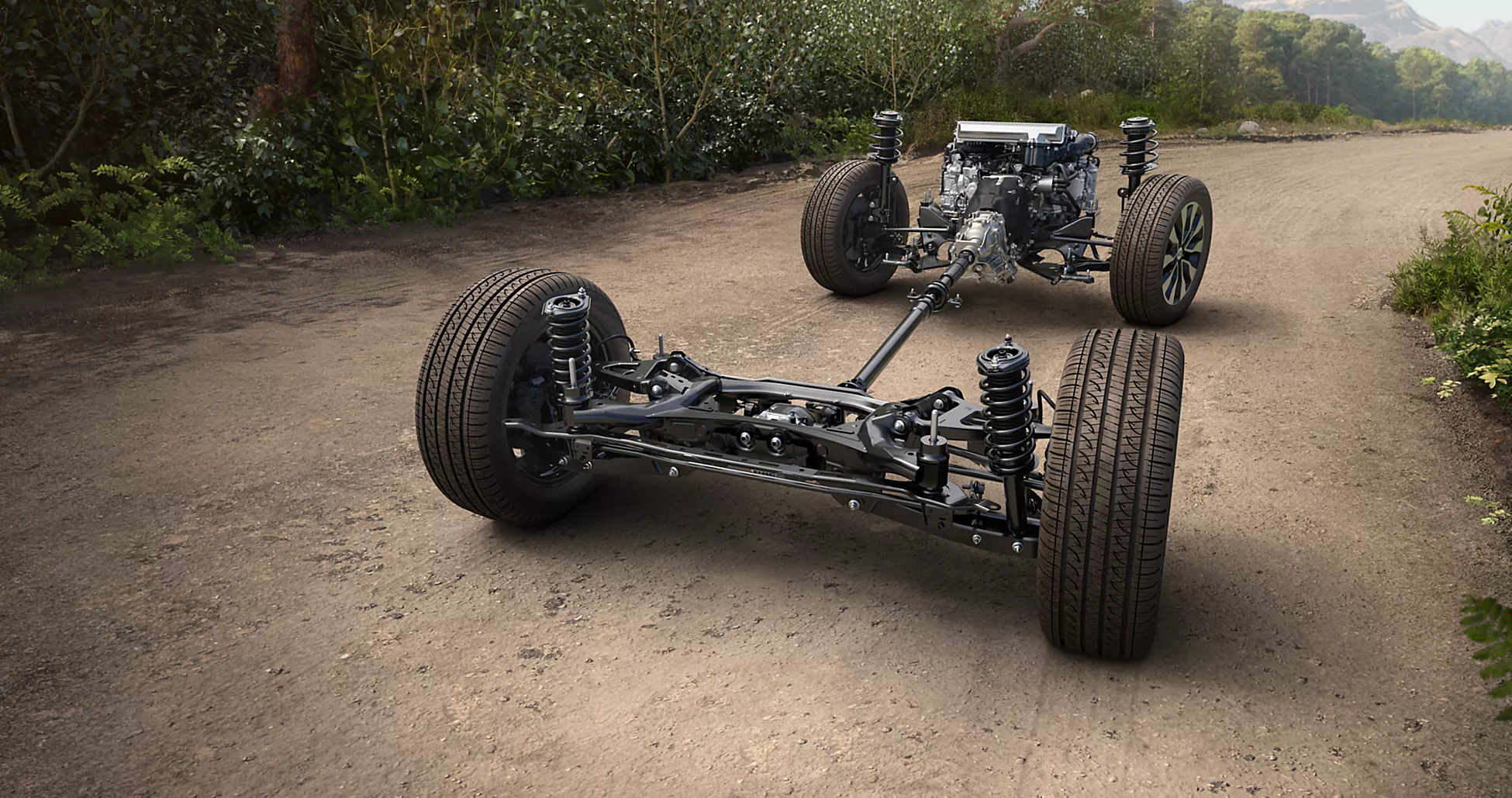
What Makes Subaru Symmetrical AWD Different?
While many manufacturers offer AWD as an add-on feature, Subaru builds its vehicles from the ground up around its legendary Symmetrical All-Wheel Drive system. Here is what sets it apart from the competition:
- Boxer Engine Design: Subaru pairs its AWD with a uniquely flat "Boxer" engine. By laying the cylinders horizontally rather than vertically, the vehicle achieves a much lower center of gravity. This creates a anchored, wide base that resists body roll during tight turns.
- Constant, Uninterrupted Power: Rather than waiting for a tire to slip before activating (like many part-time systems), Subaru’s system continuously sends power to all four wheels. You get maximum grip the moment you press the gas pedal.
- Perfectly Balanced Weight: The "Symmetrical" layout uses equal-length drive axles on both sides. This uniform weight distribution prevents the vehicle from pulling to one side, offering perfectly balanced handling.
- Left-to-Right Power Shifting: While standard AWD systems can only shift power between the front and rear axles, Subaru's advanced system can also route power from left to right. If only one side of your vehicle hits a patch of ice, the system immediately diverts power to the opposite tires to keep you moving straight ahead.
-